Bounce Back Stronger: Regenerative Healthcare, The 100 Year Lifestyle, and the Art of the Athletic Comeback
Every athlete, whether recreational or elite, knows the sting of setbacks – an injury, a performance slump, or the creeping effects of age. Yet, for the true “comeback competitor,” these moments are not dead ends, but invitations to adapt, rebuild, and return even stronger. In Marietta, Georgia, and East Cobb, a new generation of athletes is embracing regenerative healthcare and The 100 Year Lifestyle philosophy, harnessing their body’s innate capacity for repair and resilience. The goal? Not just to bounce back from injury, but to cultivate a life of long-term performance, adaptability, and athletic joy – at every age.
Let’s explore how regenerative healthcare and The 100 Year Lifestyle empower athletes to optimize healing, prevent injury, and build lasting strength and mobility. With the right mindset, habits, and support, athletes can redefine what it means to be competitive for life, starting with:
- How regenerative healthcare and The 100 Year Lifestyle align with the athlete’s comeback mindset
- The science of healing, adaptation, and lifelong performance
- Practical strategies for optimizing recovery, reducing injury risk, and maintaining peak mobility
- The role of chiropractic care in supporting strength, resilience, and comeback success
- Action steps to start your comeback journey – at any age
The Regenerative Athlete’s Advantage: Healing and Adaptation
Regenerative healthcare centers on the body’s remarkable ability to heal, adapt, and rebuild. For athletes, this means viewing every setback as part of a larger cycle – stress, recovery, adaptation, and renewed performance. Unlike symptom-only care, which focuses on quick fixes, regenerative healthcare addresses root causes: restricted motion, poor mechanics, tissue overload, and nervous system imbalances.
The 100 Year Lifestyle philosophy takes this a step further. It recognizes that the habits you build – movement, nutrition, mindset, and proactive care – are the foundation for athletic success not just today, but for decades to come. It’s about being an athlete for life, not just for a season.
The Science of Regeneration: How Your Body Rebuilds
Every training session, race, or game creates micro-stress and micro-damage in muscles, joints, and connective tissues. Your body responds by launching a cascade of healing – removing damaged cells, rebuilding tissues, and making you stronger for next time. This process is guided by:
- The nervous system, which coordinates repair and adaptation
- Circulation, which delivers nutrients and removes waste
- Movement, which stimulates healing and maintains joint health
- Sleep, which is the prime time for regeneration
If any part of this system is blocked – by poor mobility, chronic stress, inadequate nutrition, or nerve interference – healing slows and the risk of recurring injury rises.
The Comeback Framework: 4 Pillars of Lifelong Athleticism
1.Optimize Healing Through Intelligent Recovery
- In regenerative healthcare, recovery is not passive rest – it is an active process. That means:
- Prioritizing sleep and active recovery days
- Using movement (walking, gentle stretching) to boost circulation
- Addressing joint restrictions early through chiropractic care
- Nourishing your body with anti-inflammatory foods and hydration
2. Reduce Injury Risk by Restoring Motion and Mechanics
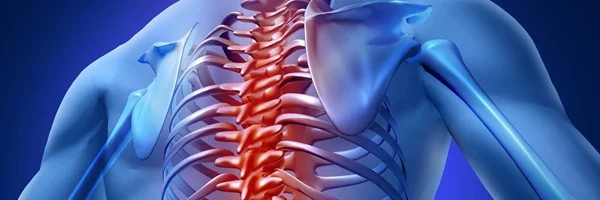
Many athletic injuries stem from repetitive strain and compensation. If one joint is stiff, others absorb more stress. Chiropractic adjustments restore optimal joint motion, reduce mechanical stress, and rebalance muscle tension, supporting efficient movement and reducing overload.
- Athletes should also focus on:
- Mobility drills and dynamic warm-ups
- Posture checks during training and daily life
- Cross-training to build overall resilience
3. Build Strength and Mobility for Long-Term Performance
- Strength is not just about muscles – it’s about how your body stabilizes, coordinates, and moves. Long-term athleticism requires:
- Functional strength training and core work
- Balance, agility, and proprioceptive exercises
- Flexibility routines to maintain joint health
Chiropractic care supports this pillar by ensuring your nervous system and musculoskeletal system are in sync, making every rep and drill safer and more productive.
4. Maintain Progress with Proactive, Personalized Care
Athletes of all ages benefit from ongoing assessment and personalized care. Regular chiropractic check-ins, movement screenings, and recovery planning help you catch issues early, adapt routines, and maintain your edge.
The 100 Year Lifestyle encourages integrating these habits for life – not just during a comeback, but as part of your athletic identity.
Why Chiropractic Is Essential for the Lifelong Athlete
Chiropractic care is a key component of both regenerative healthcare and The 100 Year Lifestyle. By addressing spinal and joint mechanics, chiropractic:
- Optimizes nervous system function, enhancing coordination and recovery
- Reduces nerve irritation and chronic compensation patterns
- Improves joint motion and biomechanics for safer, more efficient movement
- Accelerates healing and supports a proactive approach to injury prevention
Chiropractic is not just for injury – it is a performance tool and a foundation for longevity, keeping comeback competitors ready for every challenge.
Setting Realistic Expectations: The Comeback Is a Process
- Regenerative healthcare is not about miracles or overnight fixes. Many athletes need a phased plan:
- Calm things down (pain relief and inflammation control)
- Restore motion (address joint restrictions and mobility)
- Build strength (targeted exercise and stability work)
- Maintain progress (ongoing care, mobility, and lifestyle habits)
With patience and the right support, setbacks become setups for greater strength and resilience.
Real Stories: Redefining the Athlete for Life
At Plasker Family & Performance Chiropractic in Marietta, we see comeback competitors of all ages – weekend warriors, former athletes, and passionate movers – who are redefining what it means to be athletic. Through regenerative care and The 100 Year Lifestyle approach, they:
- Return to sport with less fear and more confidence
- Build routines that keep them strong year after year
- Enjoy activities with family and friends without limitations
- See setbacks as opportunities to learn, grow, and come back stronger
Take the Next Step: Start Your Comeback Journey
If you are ready to bounce back stronger and embrace a lifetime of athleticism, schedule a consultation at Plasker Family & Performance Chiropractic in Marietta, Georgia. We will help you identify your barriers, build a personalized plan, and support your journey – so you can compete, recover, and thrive at every age.
FAQs
What is regenerative healthcare for athletes?
It is an approach that supports your body’s healing and adaptation, addressing root causes and preventing recurring injury.
How does The 100 Year Lifestyle fit into athletic recovery?
It emphasizes long-term habits – movement, nutrition, mindset, and chiropractic – that keep you performing at your best for life.
Why is chiropractic care important for athletes?
Chiropractic restores joint motion, improves nerve function, and reduces injury risk, supporting recovery and performance.
Can older athletes make comebacks?
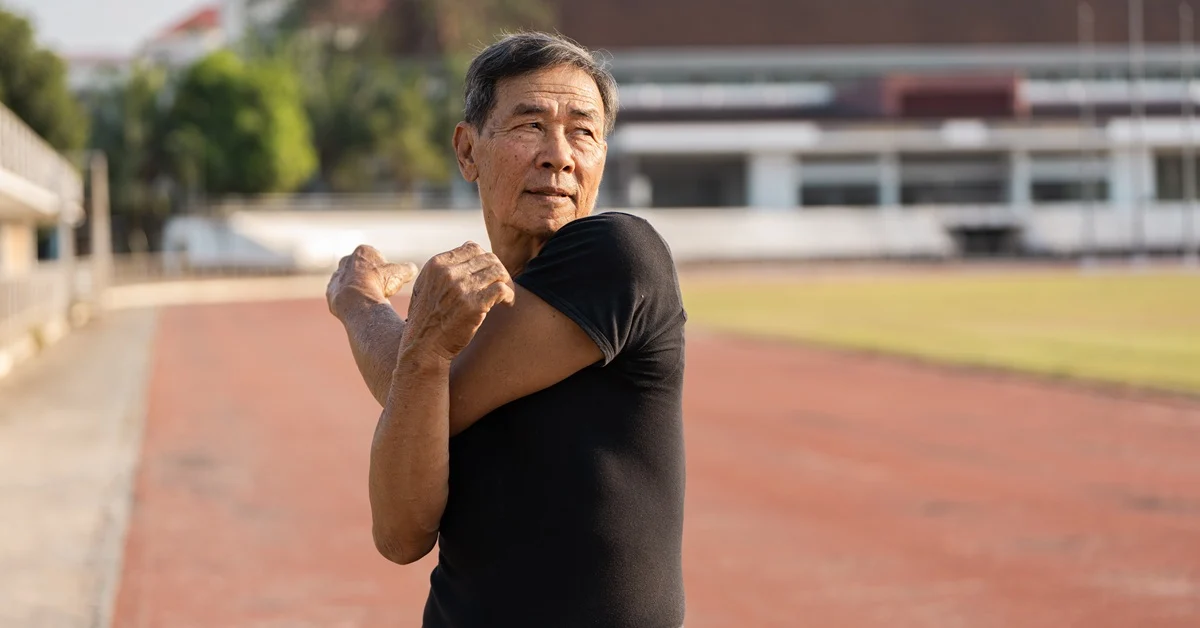
Absolutely. With regenerative care and the right mindset, athletes of any age can recover and continue to excel.
How do I get started in Marietta, GA?
Schedule a consultation at Plasker Family & Performance Chiropractic for a personalized comeback plan.
Other Articles on Regenerative Healthcare
-
- The Nervous System’s Role in Healing: Why Chiropractic Fits the Regenerative Healthcare Conversation
- Regenerative vs. Symptom-Only Care: A Smarter Way to Think About Back Pain, Neck Pain, and Joint Problems
- Regenerative Healthcare and Chiropractic: How Your Body Heals – and How We Help Remove the Roadblocks
- Regenerative Healthcare and The 100 Year Lifestyle: Building Daily Habits for Lifelong Vitality
- Mobility is Medicine: How Better Joint Motion Supports Recovery, Resilience, and Long-Term Health