Non Surgical Spinal Decompression Marietta
That sharp pull down your leg when you get out of the car. The low-back ache that makes a full workday feel longer than it should. The neck pain that steals your focus from the people, training, and routines you love. For many active adults, non surgical spinal decompression care offers a structured, drug-free path worth considering before assuming pain medication, injections, or surgery are the only next steps.
At Plasker Family & Performance Chiropractic, the goal is not simply to make discomfort quieter for a few days. It is to identify how spinal stress, disc irritation, movement patterns, and nervous-system function may be contributing to the problem, then build a plan designed to help you move with greater strength and confidence.
What Is Non Surgical Spinal Decompression?
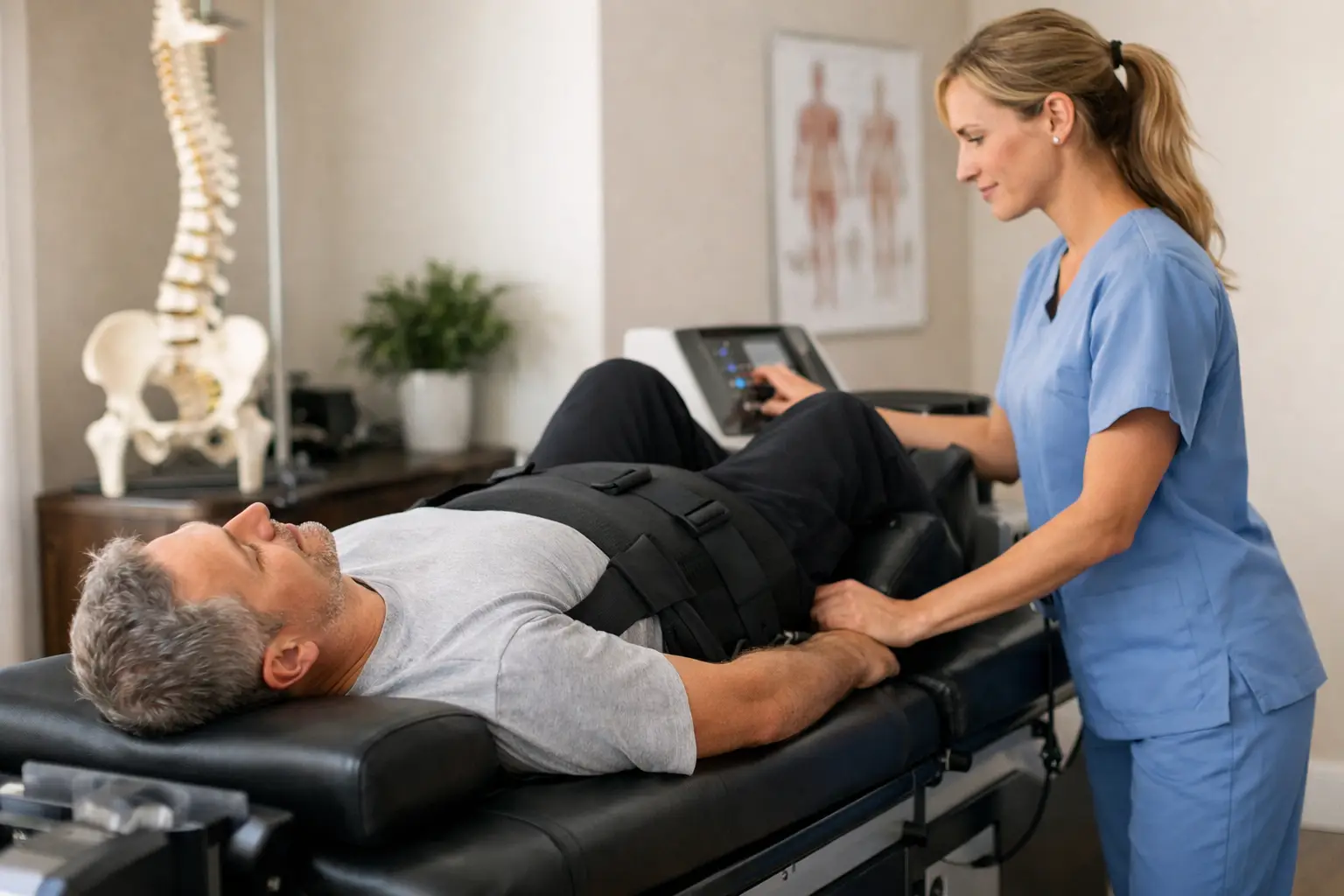
Non-surgical spinal decompression is a computer-guided therapy that uses gentle, controlled traction to create cycles of unloading and relaxation through targeted areas of the spine. During treatment, you rest comfortably on a specialized table while the system applies precisely measured force based on your condition, size, and tolerance.
The purpose is not to force anything back into place. Instead, decompression is intended to reduce pressure on spinal discs and surrounding structures. By creating negative pressure within a disc, the therapy may support the movement of oxygen, water, and nutrients that discs need for normal function and recovery.
For someone dealing with a bulging disc, herniated disc, degenerative disc changes, or radiating sciatic symptoms, that reduction in pressure can be meaningful. Less mechanical stress may help calm irritated tissue and make it easier to return to the movement that supports long-term health.
The technology used for care is FDA-cleared, but that does not mean every painful back or neck condition responds the same way. A thorough evaluation matters. Your symptoms, imaging findings, health history, movement limitations, and goals all help determine whether decompression belongs in your plan.
When Disc Pressure Starts Limiting Your Life
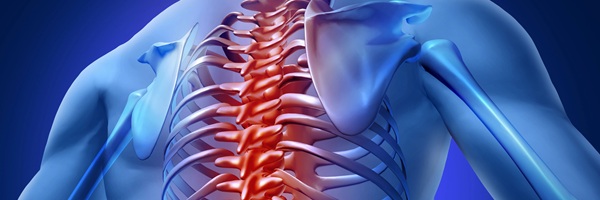
Spinal discs work like shock absorbers between the bones of your spine. They help distribute load when you walk, lift, rotate, run, and sit. Over time, repetitive stress, an old injury, poor mechanics, prolonged sitting, or age-related changes can affect how a disc handles pressure.
Sometimes the result is localized pain. Other times, disc material or inflammation may irritate a nearby nerve root, creating symptoms that travel into the leg, hip, buttock, shoulder, or arm. Sciatica is one common example, but radiating pain is only part of the picture. Numbness, tingling, weakness, stiffness, and reduced tolerance for everyday activity can also signal that the spine needs closer attention.
You may be a runner who stopped training because each stride aggravates your back. You may be a parent who hesitates before lifting a child from the floor. Or you may be an active retiree who refuses to let a painful morning routine become your new normal. The common thread is not just pain. It is the loss of freedom that pain creates.
Corrective care looks beyond the symptom location. A sore low back may be influenced by pelvic imbalance, weak movement patterns, reduced spinal mobility, workstation habits, or a disc under ongoing mechanical stress. Addressing these factors can help create a more durable comeback than relying on temporary relief alone.
Who May Be a Candidate for Spinal Decompression in Marietta?
Non-surgical spinal decompression may be considered for people with disc-related neck or low-back pain, sciatica, certain bulging or herniated discs, degenerative disc disease, and some persistent symptoms that have not improved with rest or basic care. It can also be useful for people who want to explore conservative options before moving toward more invasive interventions.
Still, decompression is not the right choice for everyone. Certain fractures, severe osteoporosis, spinal instability, infection, some surgical hardware, cancer affecting the spine, and specific medical conditions may require a different approach. Progressive weakness, loss of bowel or bladder control, saddle numbness, fever with severe back pain, or significant trauma require prompt medical evaluation.
That is why an individualized consultation is more valuable than a one-size-fits-all promise. At Plasker Family & Performance Chiropractic, digital X-ray imaging and a detailed examination can help clarify whether structural changes, biomechanics, and your current symptoms support a decompression-based plan. When decompression is not appropriate, you deserve a clear recommendation for the next best step.
What a Personalized Care Plan Can Include
Decompression works best when it is treated as part of a larger strategy, not as a standalone fix. Your spine is connected to how you stand, walk, train, recover, sleep, and manage daily stress. A care plan should reflect that reality.
For many patients, non surgical spinal decompression in Marietta is combined with corrective chiropractic adjustments intended to improve joint motion and alignment. Specific exercises may reinforce better stability and movement control, while guidance on posture, lifting, hydration, recovery, and nutrition can help reduce the habits that repeatedly overload the spine.
The right frequency depends on the severity and history of your condition. A newer flare-up may require a different plan than chronic pain that has been building for years. Some patients notice changes early; others improve more gradually as irritated tissue settles and movement capacity is rebuilt. Consistency matters because discs and movement patterns do not usually change overnight.
Think of the plan as rehabilitation for the life you want to lead. If your goal is getting back to golf, strength training, travel, playing on the floor with grandchildren, or working without a constant distraction from pain, care should be organized around that outcome.
What Does a Decompression Session Feel Like?
Most patients describe spinal decompression as comfortable and relaxing. You are secured on the decompression table with supports that help maintain position while the system cycles through gentle traction and release. There should not be sharp or alarming pain during the session. If something feels wrong, the settings can be adjusted.
Sessions often last half an hour when combined with other elements of care, though the exact visit structure varies. We will explain what to expect, monitor your response, and adjust the protocol as needed.
You may be asked to avoid activities that repeatedly strain the affected area while your body is recovering. That does not necessarily mean stopping all movement. In many cases, appropriate walking, mobility work, and progressive exercise are important parts of restoring resilience. The key is choosing movement that supports healing rather than repeatedly provoking symptoms.
A Conservative Option With Realistic Expectations
Non-surgical decompression is not a guarantee, and honest care should never frame it that way. Pain can have multiple causes, including joint dysfunction, muscle strain, nerve irritation, hip problems, inflammatory conditions, or issues that need medical or surgical management. The value of an evaluation is separating what may respond to conservative care from what needs a different level of attention.
For appropriate candidates, the potential advantages are compelling: no medication dependence, no injection procedure, no surgical incision, and no downtime associated with an operation. But conservative does not mean passive. The strongest results often come from patients who follow their care schedule, complete their home recommendations, and rebuild the habits that protect spinal health.
Your body is built to move, adapt, and recover. If back pain, neck pain, or sciatica has narrowed your world, do not accept limitation as the price of getting older or staying active. Schedule a consultation to find out whether a personalized decompression and corrective care plan can help you take the next step toward a stronger, more capable life.